Updated: January 27, 2026

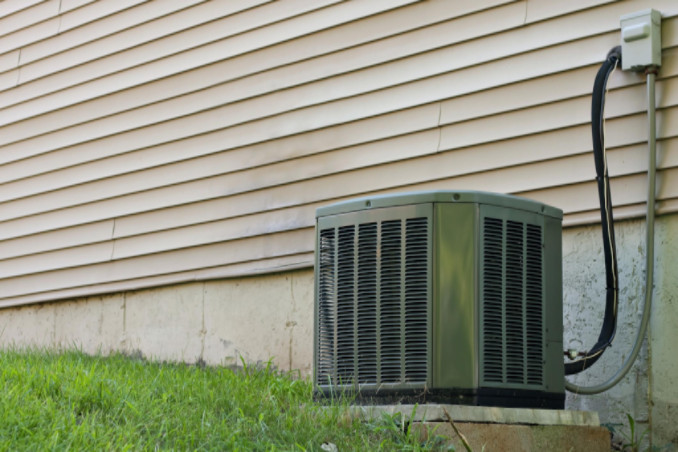
A new HVAC system is a big investment, but it may be worth it even if your system hasn’t completely died yet.
An HVAC system’s lifespan is usually between 10-15 years, but as it gets older, it can become less efficient and require more repairs. Regular preventative maintenance is essential for extending the life and efficiency of your system.
Looking to replace your HVAC?
The local Houston heating and cooling experts at Richmond’s Air have installed thousands of residential HVAC systems across the Houston metro area.
Contact us today to get a free estimate on repairing or replacing your home’s HVAC. Financing options are also available.
When should you upgrade your HVAC system?
Below are 5 signs that it might be time to buy a new HVAC for your home:
- It’s at least 10 years old. Some things get better as they age—an HVAC system, unfortunately, isn’t one of them. A furnace tends to last a little longer than an AC, but it’s usually advised to replace the whole thing at once to make sure they work well together.
- You’re often too hot or too cold. If you find that your AC isn’t keeping up with Houston summers and your furnace can’t keep your home warm enough during the winter, your system may be on its last legs. It also may not be the correct load for the size of your home, so make sure to research what your home needs before you buy a new system.
- It requires frequent repairs. Regular maintenance is important and necessary for HVAC systems, especially older ones, and some repairs are inevitable on aging systems. But if you have your HVAC company on speed dial, it may be time to think about another solution.
- Your system runs constantly. Efficiency can dwindle with age, so if you find that your HVAC system is constantly turning on and off, or running the majority of the time, it’s probably wasting energy and costing you more money.
- Your indoor air quality is declining. Over time, an older HVAC system may struggle to keep up with allergens and pollutants in the air. Since one of its main jobs is to keep your home well ventilated, a failing system can create more problems with allergies, asthma and sickness.
Before you make your decision, you’ll also want to have a certified HVAC technician take a look at your ductwork, thermostat and home insulation. If there are any major leaks or issues with your thermostat, replacing your HVAC system may not be the answer.
How a Programmable Thermostat Helps You Enhance Comfort, Save Money and Keep Feuds to a Minimum
The HVAC experts at Richmond’s Air in Houston discuss how programmable thermostats work, along with benefits homeowners can expect.
FAQs about buying a new HVAC in Houston
What is the 5,000 dollar rule in HVAC?
The $5,000 rule in HVAC is a simple guideline homeowners use to decide whether it makes more financial sense to repair or replace an aging heating or cooling system.
Here’s how the rule works:
- Multiply the age of your HVAC unit (in years) by the estimated repair cost.
- If the total is more than $5,000, replacement is usually the better long-term option.
- If the total is less than $5,000, repairing the system may be worth it.
For example:
- A 10-year-old air conditioner that needs a $600 repair equals $6,000 (10 × 600).
- Because that number exceeds $5,000, replacing the unit is often the smarter investment.
The rule isn’t absolute. A repair may still make sense if the system is otherwise in good condition, energy-efficient, and has not required frequent fixes. On the other hand, even a smaller repair may not be worth it if the unit is near the end of its lifespan or has ongoing performance issues.
The $5,000 rule is best used as a decision-making tool, not a strict requirement. A trusted Houston AC/heating repair company can help you weigh repair costs, energy savings, warranty coverage, and long-term reliability before deciding.
How much should it cost to replace an HVAC system in Houston?
In Houston, the cost to replace an HVAC system typically ranges from $5,000 to $12,000, though the final price can fall outside that range depending on several factors.
So, what influences the cost?
- Home size and layout. Larger homes or multi-story layouts usually require higher-capacity systems and more labor.
- System type and efficiency. The type of HVAC you choose impacts the bottom line now and in years to come. Higher-efficiency systems cost more upfront but can significantly reduce monthly energy bills.
- Ductwork condition. If ducts need repair, sealing, or replacement, that will add to the total cost.
- Installation complexity. Tight spaces, attic installs, or older homes can increase labor time.
- Permits and local requirements. Houston-area codes and permitting can affect pricing.
While replacing an HVAC system is a major investment, modern energy-efficient units can reduce cooling and heating costs by up to 50%, which helps offset the initial expense over time—especially in Houston’s long, hot summers.
If you’re trying to budget, compare options, or explore financing, Richmond’s Air offers free estimates and guidance to help homeowners choose a system that fits both their comfort needs and their budget.
Looking to replace HVAC in Houston?
At Richmond’s Air, we know upgrading your HVAC system is a big decision and an even bigger investment. If you’re weighing whether it’s time to replace your HVAC system, choosing the right company matters just as much as choosing the right equipment.
For more than 20 years, Richmond’s Air has helped homeowners across Harris and Fort Bend Counties stay comfortable through every season. With top customer ratings, full licensing and insurance, and industry-leading warranties on repairs and full system replacements, you can move forward with confidence knowing your investment is protected.
If you’re considering replacing your HVAC system, reach out to Richmond’s Air today for a free estimate and straightforward guidance from a local Houston HVAC team you can trust.
Read reviews