Updated: February 17, 2026
Winter is coming, Houston. Is your furnace ready?
When the first Texas cold snap hits, the last thing you want is to discover that your heater isn’t working. So, before temperatures drop, take a few minutes to make sure your furnace is prepared for the season.
Below, you’ll find our DIY furnace maintenance checklist to help you catch small issues before they turn into major headaches. We’ll also alert you to top signs that it may be time to call in a trusted Houston HVAC technician.
DIY furnace checklist to get winter-ready
Before calling in the pros, there are a few simple steps you can take yourself to ensure your furnace runs smoothly and safely this winter. These quick maintenance tasks can help prevent costly repairs down the road and keep your home comfortable when temperatures drop.
#1: Replace your furnace filters
Dirty filters make your furnace work harder than it should, increasing wear and energy use. Check your filter every month and replace it when it looks dusty or gray. Clean filters help improve airflow, reduce strain on your system, and keep your indoor air healthier.

#2: Inspect your ductwork
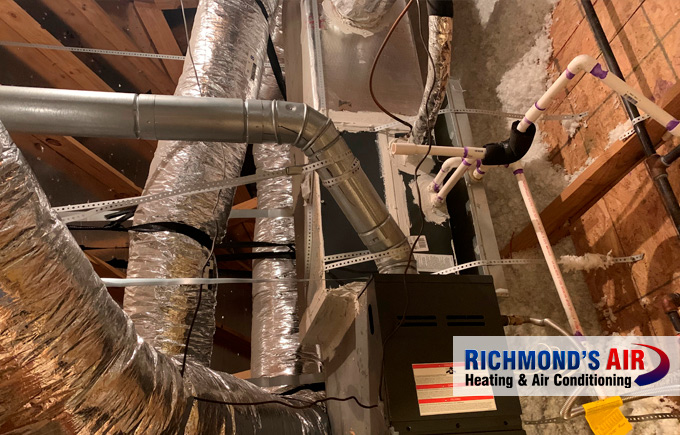
Your ducts carry warm air throughout your home—so any leaks or blockages mean wasted energy. For visible ductwork, look for loose joints or gaps and reseal them with foil-backed duct tape to improve efficiency.
#3: Check your vents for blockages
Walk through your home and make sure furniture, curtains, or rugs aren’t blocking any vents. Blocked vents can restrict airflow, cause uneven heating, and even pose a fire hazard if they trap heat. Keeping vents clear also helps your furnace distribute warm air more evenly.
#4: Clean your heat exchanger
Over time, soot, dust, and rust can build up on your heat exchanger and reduce heating efficiency. Turn off power to your furnace, remove the access panel, and gently vacuum the area around the exchanger. If you see signs of corrosion or cracks, call an HVAC professional immediately, as this could indicate a carbon monoxide risk.
#5: Test your programmable thermostat

#6: Check your fuel levels
If your furnace runs on propane or oil, don’t wait for cold weather to check your tank. Make sure fuel levels are topped off before winter begins. Running too low can also allow air into the lines, which may cause your furnace to shut down or require a professional to restart it.
#7: Check your pilot light (for gas furnaces)
If your furnace uses a standing pilot light, make sure it’s burning blue—not yellow or orange, which could indicate a ventilation or gas issue. If it keeps going out, don’t try to fix it yourself; contact a professional right away.
#8: Inspect your condensate drain line
If you have a high-efficiency furnace, check the condensate drain tube for clogs or leaks. A blocked line can cause water damage or shut down your system. You can flush it with a mix of warm water and vinegar to clear debris.
#9: Inspect the blower belt and motor
If your furnace is making squealing or rattling noises, it could be a loose or worn blower belt. Turn off the power, remove the access panel, and visually inspect the belt for cracks or fraying. Tighten or replace it if needed, or call a professional if you’re unsure.
#10: Clear debris around the furnace
Keep the area around your furnace free of boxes, cleaning supplies, and other clutter. Your furnace needs proper airflow to run efficiently, and nearby flammable materials can create a fire hazard. Aim for at least 2 to 3 feet of clear space on all sides.
Top Heating Mistakes Houston Homeowners Make in the Winter
Save money this winter by avoiding these 9 common heating mistakes.
Top signs your furnace needs an HVAC technician
Even the most dedicated DIY homeowner reaches a point where it’s best to bring in a certified HVAC technician. If you notice any of these warning signs, it’s time to schedule professional service before a small issue becomes a costly repair:
- Weak airflow or cold air from vents. If your furnace is running but your home still feels chilly, there could be a blockage in your blower, ducts, or indoor coils. A technician can safely locate and remove any obstructions and even clean your ductwork to ensure your system is delivering consistent heat throughout your home.
- Strange noises or vibrations. Constant grinding, rattling, or squealing sounds often signal loose or worn parts inside the furnace. A pro can pinpoint the source, tighten components, or replace belts before the problem leads to major motor damage.
- Burning or musty smells. If you smell something unusual—like burning dust, melted plastic, or mildew—turn off your furnace and call a technician. Electrical issues, blocked vents, or moisture buildup can create fire hazards or air-quality problems that require professional attention.
- System is short-cycling or running constantly. If your furnace turns on and off frequently or seems to run nonstop, it may be struggling with poor airflow, a dirty sensor, or an electrical issue. A technician can recalibrate your system and make sure it’s heating efficiently.
- Increased energy bills. A sudden spike in your utility bill without any change in usage is often a sign that your furnace is working harder than it should. An HVAC tech can perform an efficiency check and clean or replace worn parts to get things running smoothly again.
- Mechanical or electrical issues. A technician can lubricate the motor and other moving parts to prevent friction, check all belts for proper tension, and clean electrical terminals. They can also apply protective coatings and inspect for loose or corroded wiring to reduce the risk of system failure or fire.
- Gas or oil furnace maintenance. If you have a gas or oil-powered furnace, a professional inspection is essential. Your technician will test gas pressure, burner combustion, and heat exchanger integrity to ensure safe operation. Faulty gas connections or damaged components can cause leaks, fires, or carbon monoxide exposure.
- Visible rust, leaks, or corrosion. Water pooling near your furnace or rust forming on components can indicate internal leaks or drainage issues. A certified HVAC technician can inspect and repair the condensate system before the damage spreads.
Remember, a professional inspection catches small problems early, improves efficiency, and helps extend the life of your system, so even if your furnace seems fine, annual tune-ups are crucial for long-term performance.
Need help getting your home furnace or HVAC system winter-ready in Houston?
The team at Richmond’s Air has been helping Texas homeowners stay comfortable for more than 20 years. As a local, veteran-owned HVAC company in Houston, we take pride in providing honest advice, reliable repairs, and top-quality service you can trust.
Whether you need help troubleshooting heating issues in your garage or home or you’re ready to upgrade to a new furnace, our certified HVAC technicians in Houston are here to keep your home warm and safe all winter long.
Contact Richmond’s Air to schedule an appointment for furnace or HVAC maintenance, repair, or replacement services today.
Do I Need To Cover My AC in the Winter?
AC covers often create more problems than they solve. Our Houston HVAC experts explain the dangers and give smart tips to prep your AC for colder temps.
Read reviews