Richmonds Air Houston

License TACLA32064E

Professional AC and Heating Services

Houston's BEST Heating & AC Repair since 2002
5 star ratings Houston AC Repair company Read reviews

Request Service
(713) 732-6426
M-F 7am - 7pm | Sat 7am - 5pm
  • Home
  • About Us
  • Service Areas
    • Houston
    • Bellaire
    • Katy
    • View All
  • Services
    • Air Conditioning
      • AC Installation
      • Whole House Humidifier Installation
    • Heating
      • Heating Repair
  • Learn
  • Blog
  • Reviews
  • Contact Us
Mention these WEB COUPONS when contacting
us to get discount. One offer per customer.
scissors $25 off any repair $100 off new equipment FREE service call with repair
Houston HVAC (Home) / Blog / Preventative Maintenance

A Winter Furnace Checklist for Houston Homeowners

October 28, 2025 by Richmond’s Air

A Winter Furnace Checklist for Houston Homeowners

Winter is coming, Houston. Is your furnace ready?

When the first Texas cold snap hits, the last thing you want is to discover that your heater isn’t working. So, before temperatures drop, take a few minutes to make sure your furnace is prepared for the season.

Below, you’ll find our DIY furnace maintenance checklist to help you catch small issues before they turn into major headaches. We’ll also alert you to top signs that it may be time to call in a trusted Houston HVAC technician.

DIY furnace checklist to get winter-ready

Before calling in the pros, there are a few simple steps you can take yourself to ensure your furnace runs smoothly and safely this winter. These quick maintenance tasks can help prevent costly repairs down the road and keep your home comfortable when temperatures drop.

#1: Replace your furnace filters

Dirty filters make your furnace work harder than it should, increasing wear and energy use. Check your filter every month and replace it when it looks dusty or gray. Clean filters help improve airflow, reduce strain on your system, and keep your indoor air healthier.


#2: Inspect your ductwork

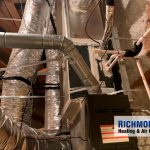
Your ducts carry warm air throughout your home—so any leaks or blockages mean wasted energy. For visible ductwork, look for loose joints or gaps and reseal them with foil-backed duct tape to improve efficiency.

#3: Check your vents for blockages

Walk through your home and make sure furniture, curtains, or rugs aren’t blocking any vents. Blocked vents can restrict airflow, cause uneven heating, and even pose a fire hazard if they trap heat. Keeping vents clear also helps your furnace distribute warm air more evenly.

#4: Clean your heat exchanger

Over time, soot, dust, and rust can build up on your heat exchanger and reduce heating efficiency. Turn off power to your furnace, remove the access panel, and gently vacuum the area around the exchanger. If you see signs of corrosion or cracks, call an HVAC professional immediately, as this could indicate a carbon monoxide risk.

#5: Test your programmable thermostat

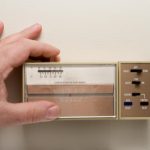
Make sure your programmable thermostat is working properly by turning up the temperature until your furnace kicks on. If it doesn’t, try changing the batteries, checking the circuit breaker, or resetting the device. While you’re at it, update your heating schedule to match your winter routine for better comfort and energy savings.
 

#6: Check your fuel levels

If your furnace runs on propane or oil, don’t wait for cold weather to check your tank. Make sure fuel levels are topped off before winter begins. Running too low can also allow air into the lines, which may cause your furnace to shut down or require a professional to restart it.

#7: Check your pilot light (for gas furnaces)

If your furnace uses a standing pilot light, make sure it’s burning blue—not yellow or orange, which could indicate a ventilation or gas issue. If it keeps going out, don’t try to fix it yourself; contact a professional right away.

#8: Inspect your condensate drain line

If you have a high-efficiency furnace, check the condensate drain tube for clogs or leaks. A blocked line can cause water damage or shut down your system. You can flush it with a mix of warm water and vinegar to clear debris.

#9: Inspect the blower belt and motor

If your furnace is making squealing or rattling noises, it could be a loose or worn blower belt. Turn off the power, remove the access panel, and visually inspect the belt for cracks or fraying. Tighten or replace it if needed, or call a professional if you’re unsure.

#10: Clear debris around the furnace

Keep the area around your furnace free of boxes, cleaning supplies, and other clutter. Your furnace needs proper airflow to run efficiently, and nearby flammable materials can create a fire hazard. Aim for at least 2 to 3 feet of clear space on all sides.

Top Heating Mistakes Houston Homeowners Make in the Winter

Save money this winter by avoiding these 9 common heating mistakes.

Learn more


Top signs your furnace needs an HVAC technician

Even the most dedicated DIY homeowner reaches a point where it’s best to bring in a certified HVAC technician. If you notice any of these warning signs, it’s time to schedule professional service before a small issue becomes a costly repair:

  • Weak airflow or cold air from vents. If your furnace is running but your home still feels chilly, there could be a blockage in your blower, ducts, or indoor coils. A technician can safely locate and remove any obstructions and even clean your ductwork to ensure your system is delivering consistent heat throughout your home.
  • Strange noises or vibrations. Constant grinding, rattling, or squealing sounds often signal loose or worn parts inside the furnace. A pro can pinpoint the source, tighten components, or replace belts before the problem leads to major motor damage.
  • Burning or musty smells. If you smell something unusual—like burning dust, melted plastic, or mildew—turn off your furnace and call a technician. Electrical issues, blocked vents, or moisture buildup can create fire hazards or air-quality problems that require professional attention.
  • System is short-cycling or running constantly. If your furnace turns on and off frequently or seems to run nonstop, it may be struggling with poor airflow, a dirty sensor, or an electrical issue. A technician can recalibrate your system and make sure it’s heating efficiently.
  • Increased energy bills. A sudden spike in your utility bill without any change in usage is often a sign that your furnace is working harder than it should. An HVAC tech can perform an efficiency check and clean or replace worn parts to get things running smoothly again.
  • Mechanical or electrical issues. A technician can lubricate the motor and other moving parts to prevent friction, check all belts for proper tension, and clean electrical terminals. They can also apply protective coatings and inspect for loose or corroded wiring to reduce the risk of system failure or fire.
  • Gas or oil furnace maintenance. If you have a gas or oil-powered furnace, a professional inspection is essential. Your technician will test gas pressure, burner combustion, and heat exchanger integrity to ensure safe operation. Faulty gas connections or damaged components can cause leaks, fires, or carbon monoxide exposure.
  • Visible rust, leaks, or corrosion. Water pooling near your furnace or rust forming on components can indicate internal leaks or drainage issues. A certified HVAC technician can inspect and repair the condensate system before the damage spreads.

Remember, a professional inspection catches small problems early, improves efficiency, and helps extend the life of your system, so even if your furnace seems fine, annual tune-ups are crucial for long-term performance.

Need help getting your home furnace or HVAC system winter-ready in Houston?

The team at Richmond’s Air has been helping Texas homeowners stay comfortable for more than 20 years. As a local, veteran-owned HVAC company in Houston, we take pride in providing honest advice, reliable repairs, and top-quality service you can trust.

Whether you need help troubleshooting heating issues in your garage or home or you’re ready to upgrade to a new furnace, our certified HVAC technicians in Houston are here to keep your home warm and safe all winter long.

Contact Richmond’s Air to schedule an appointment for furnace or HVAC maintenance, repair, or replacement services today.

Should You Cover an Outdoor Air Conditioning Unit in the Winter?

Do I Need To Cover My AC in the Winter?

AC covers often create more problems than they solve. Our Houston HVAC experts explain the dangers and give smart tips to prep your AC for colder temps.

Learn more

Filed Under: Preventative Maintenance Tagged With: furnaces, residential heating

What You Need to Know About High Winds and Your Home HVAC System

January 11, 2022 by Richmond’s Air

High Winds and Your Home HVAC System

The windstorm that struck Texas in late October of 2021 might have made many Houstonians think they were headed to Oz. During the storm, over 125,000 Harris County, Texas, electric customers were left without power after the Houston area saw high winds. The National Weather Service issued a wind advisory for the area to expect sustained winds between 20 and 30 MPH with wind gusts that could reach over 40 MPH. Some areas, like the Hobby Airport, reported wind gusts as high as 61 MPH.

Houston is no stranger to occasional high winds, whether from fast-moving squalls to tropical storms. According to Click 2 Houston, Hurricane Harvey’s maximum winds reached 132 MPH back in 2017.

Not only can these types of wind conditions bring down power lines (which they did) and cause damage to homes, but they can also wreak havoc on HVAC units.

Impacts of high wind on HVAC units

Poor indoor air quality

When wind blows, dirt gets dispersed and can gather inside your HVAC unit. When the unit turns on, it blows this accumulated dirt inside your house. This dirt can have negative impacts on your health if it’s inhaled, as the dirt can contain irritants as well as allergens. This can lead to asthma attacks or other respiratory problems. To avoid these issues, you should keep a spring HVAC maintenance checklist that includes vent cleaning.

Dirt and dust entering your home’s air isn’t the only negative impact. Too much dirt running through your HVAC system can also cause parts of the system to break, often requiring costly repairs.

Accumulations of dust

Have you been noticing a musty smell inside your house or from your AC unit itself? This odor can indicate that a dust buildup on the evaporator coils of your HVAC unit has led to a blockage in your system. Winds blowing debris around your home can easily cause this kind of buildup.

Any blockages in the system can lead to the perfect environment for mold to grow. Just like having dirt and dust in your home’s air can be bad for your health, mold can also have negative health consequences. The solution to eliminating your HVAC’s mold problem is to routinely have the system unblocked and professionally cleaned.

Physical damage

Your HVAC unit can also be damaged by high winds. Not only can high-speed wind loosen parts of your HVAC unit itself, but it can also cause heavy debris to be thrown at the unit, which can also cause damage.

After a high-wind storm, it’s important to pay attention to the various noises your unit makes. If you notice any unusual noises, or if your unit isn’t working properly, it may need to be repaired. You should reach out to an HVAC technician as soon as possible to prevent further damage.

Keeping your HVAC unit safe

Fortunately, if you’re expecting severe weather with strong winds and you have ample warning, there are some preventive measures you can take to ensure your unit remains safe.

Cut the power

If the storm is expected to be severe, you can always power down your HVAC unit to ensure that no dirt or dust enters the system. Don’t simply turn down the thermostat. Cut the power completely by turning off the circuit breaker.

Secure the system

Before a storm with strong winds hits, you should ensure that the bolts holding your outdoor HVAC unit are tight. Additionally, if you’re expecting especially strong winds, you can always add hurricane straps to your unit.

Cover the system

If you’re cutting the power to your unit, you can cover it with a tarp capable of withstanding high winds. You can purchase a plastic or vinyl cover, or you could put a plastic, metal or wooden cage around your unit to keep it from being hit by debris.

Remove projectiles

For storms with ample warning, you can also remove any objects from your yard that could become airborne and be thrown at your HVAC unit. Common examples include tree branches, furniture, and toys.

If you have recently experienced high winds and feel that your HVAC unit isn’t working properly, reach out to the experienced HVAC technicians at Richmond’s Air, today.

Filed Under: Preventative Maintenance

How To Get Your Furnace or Home Heater Winter-Ready

October 19, 2021 by Richmond’s Air

fall hvac maintenance checklist

While the temperatures may still be mild and comfortable in Houston, Texas, we’ve already begun the transition into fall. As winter approaches, now is the time to make sure that your home heating system is in good working order.

Before you turn your furnace on full force this winter, ensure that it’s functioning properly by taking a look at these simple maintenance tips and checklists below.

Furnace system maintenance checklist

  • Check all of your safety devices. Your switches should be in good working order and all covers should be in place.
  • Check your thermostat.
  • Is your pilot light still good? Your flame should be blue, not yellow.
  • Check your burners for condensation, debris, dust and soot.
  • Inspect the quality of your gas line. Do you notice any cracks, leaks or other visible damage?
  • Check your heat exchanger for cracks and damage.
  • Check for any loose or disconnected wires.
  • Ensure your belt isn’t worn, and replace it if so.
  • Listen to your machine for any components that could need lubrication.
  • Change your air filter.

In addition to this checklist, here are 3 other steps you should consider before turning on your furnace this fall:

  1. Remove combustibles from the reach of your furnace. This might sound like a no-brainer, but anything that can catch fire shouldn’t be stored near your furnace. The same goes for your stove, oven and chimney as well.
  2. If your home has a humidifier, change the water panel. At least once per season, you should change the water panel on your whole house humidifier. This is especially true during the winter months. To get the best out of your humidifier, make sure that the water panel is changed in early fall.
  3. Change the batteries in your CO2 detector. Once a year, you should replace the batteries in your CO2 detector. This task doesn’t have to be done in the fall necessarily, but it wouldn’t hurt to add it to your checklist.

Basic air conditioning maintenance

While it may seem silly, your home’s air conditioning system also needs maintenance before it shuts down over winter. Below is a checklist for shutting down your air conditioner for the season:

  • Shut off the power.
  • Use a soft brush and vacuum to clean your compressor.
  • Vacuum away the dirt and dust build-up from the outer fins.
  • Make sure all fins are straight and clean.
  • Replace the air filter.
  • Turn the unit back on.

You should also perform basic maintenance to your ducts and thermostat as well, including:

  • Inspect for leaks and ensure that sections are connected properly with no gaps
  • Clean and check the registers
  • Schedule a professional duct cleaning
  • Ensure the battery in your thermostat is working properly
  • Test your controls for functionality and check the calibration
  • Inspect all wires, buttons and knobs. Any that are damaged or nonfunctional should be replaced.

Once you’ve completed these basic furnace and air conditioning maintenance checks, consider reaching out to an experienced HVAC tech at Richmond’s Air for professional assistance if you have concerns or questions.

Should You Cover an Outdoor Air Conditioning Unit in the Winter?

Do I Need To Cover My AC in the Winter?

AC covers often create more problems than they solve. Our Houston HVAC experts explain the dangers and give smart tips to prep your AC for colder temps.

Learn more

Filed Under: Preventative Maintenance Tagged With: DIY maintenance, furnaces, preventative maintenance

HVAC Spring Cleaning Checklist for Homeowners

April 12, 2019 by Richmond’s Air

Seasonal AC maintenance

Air conditioning units work hard to keep you comfortable in the hot Texas heat. But to stay cool, it’s important to perform routine maintenance on your HVAC unit to ensure that it has a long useful life.

How dust can increase utility bills

A frequent problem that many homeowners ignore is dust buildup in heating, ventilation and air conditioning (HVAC) systems. HVAC systems can gather dust and dirt over time, which decreases their effectiveness, raises energy costs, and increases electricity bills. This is because an accumulation of dust in the system can reduce its overall efficiency by clogging filters, obstructing airflow and increasing the blower’s workload.

Dust buildup on the blower wheel can reduce the speed at which it rotates, making it work harder to move air, which raises energy usage. This could lead to even higher energy use if the refrigerant charge is not appropriately controlled. Inadequate maintenance of HVAC systems can cause malfunctions that require expensive repairs or replacements.

Homeowners should change their filters frequently and arrange regular maintenance with a certified expert to prevent dust collection in HVAC systems and save on utility costs. You should also maintain a clean home to lessen the dust entering the system. By increasing the system’s effectiveness, prolonging its lifespan, and lowering energy use, proper maintenance can help homeowners save money over time.

HVAC spring cleaning checklist

Below is a list of items to put on your spring cleaning checklist to ensure your HVAC system is ready to go this summer. If you need help with any of the items on this list, be sure to consult a professional HVAC technician to ensure the job is done right.

1. Clean your rooms and repair cracks in windows and doors

Before turning on your HVAC system, clean your rooms, including windows and curtains, to increase system performance and avoid dust and debris buildup. Also, stop drafts and decrease allergens entering your home by repairing any damage or cracks you find in and around windows and doors. These easy measures can enhance indoor air quality, use less energy, and reduce electricity costs.

2. Change your air filter

Changing your HVAC air filter is crucial for your home’s air quality. A clogged air filter might reduce your system’s efficiency by 5–15%, increasing energy costs. Changing your air filter can increase your system’s energy efficiency and reduce overall utility costs.

3. Vacuum your vents

Your HVAC spring cleaning checklist should include cleaning your air vents to eliminate any dust and debris that may have gathered over the winter. This way, dust won’t be blown around your house when you switch on the air conditioner in a few weeks. Remove and rinse each air vent or suction the dust using a vacuum wand attachment.

4. Clean your condensate drain

Cleaning your condensate drain should be on your HVAC spring cleaning to-do list to ensure water drains correctly from your system. This is necessary to protect from water damage and mold. After locating your drain line, you should disconnect the attached hose and remove any buildup before cleaning it with distilled vinegar.

5. Clean your condenser coils

Because filthy coils can dramatically impair your air conditioner’s performance, resulting in greater energy costs and more wear and tear, cleaning your condenser coils is vital to spring cleaning your HVAC system. You can enhance the airflow and enable your system to operate at its best by clearing away dirt with a small brush and vacuum and straightening any bent coil fins.

6. Clear away weeds around the system

To provide appropriate airflow to the HVAC system, ensure that you remove all weeds and cut back trees and shrubs to prevent reduced air traffic. Without enough room surrounding the unit, the system may freeze or fail to effectively chill your home. For the device to operate properly, there must be at least 2 feet of clearance around it.

7. Test out your system

Testing your HVAC system after cleaning is crucial to ensure it operates properly. You can detect flaws before they worsen by turning on the system, listening for odd noises and inspecting each vent. Little issues can occasionally be resolved by adjusting the temperature or restarting the system, but if they continue, it’s a good idea to contact an HVAC specialist.

8. Have your ducts sealed

Ducts can become leaky and cracked with time, leading to air loss and reduced HVAC system efficiency. Sealing the ducts can increase the system’s overall efficiency and reduce energy costs by preventing this air loss.

Moreover, duct sealing can aid in preventing allergies and pollutants from entering your home through ductwork, improving the air quality within your home.

9. Change your thermostat batteries

Thermostat batteries typically only last about a year, so spring is a good time to change them. You don’t want to wait for the battery to run out and come home to a sweltering house at the end of a long workday. It’s a simple job that will cost you little money and can save you many headaches.

10. Consider investing in a programmable thermostat

Purchasing a programmable thermostat can be a wise decision since it can increase the effectiveness of your air conditioning system and ultimately result in cost savings. It gives you more control over your HVAC system and ensures it runs smoothly while no one is home with pre-set temperatures and seasonal settings.

The benefits of professional HVAC maintenance

The biggest reason to have a professional perform routine maintenance on your HVAC system is to protect the investment you’ve already made. Installing a new HVAC unit can be pricey, so performing routine maintenance keeps your HVAC working at optimum levels.

What’s more—licensed HVAC technicians are trained to notice potential problems before they become huge, expensive headaches.

Another benefit is that having your AC unit running optimally can help reduce your energy bills during the summer—and who doesn’t like saving money?

AC thermostat: Richmond's Air DIY Center article

Three steps to take before calling your AC repair technician

Before you call us for expert AC repair service, consider trying to fix it on your own to save money. These 3 steps will help you identify the issue that is causing your air conditioner to malfunction.

Learn more

What does an HVAC inspection involve?

Starting in the spring, we recommend scheduling a complete inspection of your AC before the heat of the summer begins. During this inspection, your technician should:

  • Clean/replace filters
  • Clean the condenser and evaporator
  • Check your electrical components
  • Check your refrigerant levels
  • Calibrate the thermostat
  • Oil all motor components

Performing this check in the spring not only helps ensure your home will be cool once summer hits, but it’s also likely to be cheaper. Many HVAC companies run spring cleaning specials, and their summer prices will be more expensive.

Contact the HVAC experts at Richmond’s Air

If you’ve been keeping up on preventative maintenance, you may only have to worry about keeping a watch out for any unusual problems this spring, rather than looking to replace your HVAC.

Let Richmond’s Air keep your HVAC unit running at its peak. Contact us today to schedule an AC checkup before summer hits Houston.

Filed Under: Preventative Maintenance Tagged With: cooling systems, preventative maintenance

5 HVAC Maintenance Tips to Ensure Your Furnace is Winter Ready

January 14, 2019 by Richmond’s Air

HVAC Maintenance tips winter

It can be a big transition for your home’s HVAC system to transition from cooling your home in the summer to warming your home in the winter. For this reason, it’s important for you to perform a fall/winter weather checklist on your home’s unit before flipping that switch from cooling to heating.

Below are five tips you should consider to ensure your family is safe and warm this winter.

1. Check your air filters

You should already change your air filters every 1-3 months depending on your home activities and any allergies. If you’ve gotten behind, it’s a good idea to start your winter HVAC preparations by changing your filter. Very dirty filters will keep the airflow of your system restricted and it will affect the efficiency of your unit.

2. Check how well your system is performing

If your HVAC is entering its golden years, it’s time to consider whether it’s time to replace the system. Once an HVAC system reaches 10 years old, its efficiency drops to between 40 and 60 percent. Luckily, if your unit is more than 10 years old, the technology of gas furnaces has improved enough that some models boast as high as 97% efficiency.

3. Change your thermostat

Upgrading your system to include a smart or programmable thermostat can save you a lot of money if you program it properly. To reap the biggest benefits, program your thermostat to a lower temperature when you’re not home.

According to the U.S. Department of Energy, the savings can be to the tune of 1% for each degree as long as it’s for an eight-hour period of time.

4. Insulate the attic

Insulating your attic is one of the easiest ways to keep your HVAC running optimally. According to EnergyStar.gov, attic insulation needs to be deep enough to keep you from seeing the floor joists.

5. Get a professional inspection

Even the handiest person can’t do everything, so it’s also a good idea to hire a professional to inspect your HVAC unit during the transition period between cooling and heating. A good HVAC professional will inspect:

  • Belts
  • Contacts
  • Electrical switches
  • Filters
  • Gas pressure
  • Motors
  • Refrigerant levels
  • Safety switches

Following any of these tips will help keep your home warm and safe this winter.

As always, feel free to give Richmond’s Air a call to have one of our professionals come give your HVAC unit a professional tune-up.

Filed Under: Preventative Maintenance Tagged With: furnaces, preventative maintenance

  • 1
  • 2
  • 3
  • …
  • 5
  • Next Page »

Contact the Best Heating & Cooling Pros In the Houston Area

Request Service Now

It’s AC Maintenance Time in Houston!

Find out what problems you prevent when you keep up with preventative AC maintenance.

BBB Accredited

BBB Accredited Business

Categories

  • AC Repair
  • Community
  • Energy Savings
  • Indoor Air Quality
  • Indoor Comfort Systems
  • Industry News
  • Preventative Maintenance
  • Upgrading your System

Central Heating & A/C Are Meant to Keep You Comfortable Regardless of Current Weather Conditions

Heating Services – AC Services – Installation – Maintenance - Tune Up - Repair

Don't sweat or shiver – keep your A/C and furnace running at peak performance with regularly scheduled maintenance service. But if your system is starting to lose its cool and the repair bill seems high, HVAC specialists at Richmond's Air also provide exceptional A/C and furnace installation for homes in metro-Houston.

Don't delay – your family's comfort depends on a smooth functioning A/C and heating furnace. Schedule a maintenance or repair appointment by calling (713) 732-6426 between the hours of 7am-7pm Monday through Friday and 7am-5pm Saturday!

If you don't get an answer, don't sweat it! Just leave us a quick message with your name and phone number - an experienced central air conditioning/heating maintenance, repair and installation specialist will call you right back!!

Reliable Heating & Cooling Contractors
Central Heat & Air – Furnace Repair –
AC Repair

Get a FREE AC Tune-Up!

Get a FREE AC Tune-Up!

AC maintenance season in Houston is here! Richmond’s Air is proud to participate in CenterPoint® Energy Houston’s CoolSaver program to offer you a complimentary AC tune-up. This tune-up can save you money on future repairs as well as increase your system’s efficiency and cooling output by up to 27%.   Find out if you qualify


Facebook Twitter Blog Contact
Richmond's Air $$$ Air Conditioning Service and Maintenance
Richmond's Air: 5 Rollingwood Dr  Houston, TX 77080    (713) 999-4735
Hours: Monday to Friday: 7am – 7pm    Saturday: 7am – 5pm    Sunday: Closed

Houston HVAC Services From a Local Company You Can Trust. Serving Houston, TX and surrounding areas: Katy, Bellaire, Spring, Cypress.
Our neighboring ZIP codes: 77024, 77056, 77005, 77019, 77030


Find Us on Angie's List

Richmond's Air BBB Business Review TACCA Membership

Copyright © 2026 · Web Design & Marketing by SEO Advantage, Inc.