 Read reviews
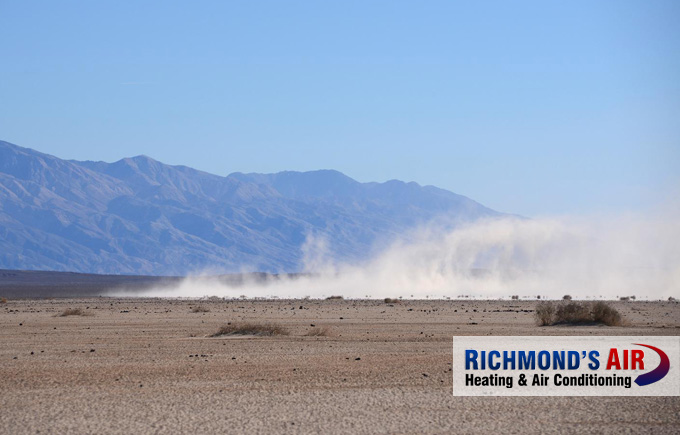
Did you hear about the plume of dust from the Saharan desert that traveled 5,000 miles to Central Texas back in July of 2021?
The annual Sahara dust plume is a natural phenomenon that takes place in the summer. This cloud, also known as the “Saharan atmospheric layer,” can travel hundreds of kilometers and affect air quality, visibility and even storm formation.
According to the National Oceanic and Atmospheric Administration (NOAA), this phenomenon isn’t unusual. In fact, June through August is the peak time for this type of dust plume to arrive in Texas each year.
How does the Saharan dust plume travel?
The Sahara Desert can reach temperatures above 100 degrees Fahrenheit. This hot, dry air generates a rapidly rising motion in the atmosphere over the desert, causing dust and sand to drift upward as the wind blows. This dust is then transported by the trade winds as they blow across the Atlantic Ocean from Africa.
How big is the Saharan dust plume?
At times, the Sahara dust plume airmass can reach heights of 60,000 feet. This aids in the over 3,000-mile journey over the Atlantic basin to North America.
What happens when the dust reaches the United States?
As dust spreads across the U.S., it creates an unfavorable environment for hurricanes. The dust absorbs the moisture in the atmosphere, depriving hurricanes of the necessary conditions for formation.
Furthermore, the dust makes the midday skies appear hazy or milky. The colors of the dawn and sunset may change if the dust plume is thick enough. This can cause the sky to turn red and orange.
How much Saharan dust is transported?
Each year, roughly 180 million tons of Saharan dust are transported over the Atlantic. The dust combines to form the majority of a single cloud.
What states in the U.S. are typically affected by the Saharan dust plume?
Ordinarily, trade winds move dust from the Sahara across the Atlantic Ocean to the Gulf of Mexico in the spring, reaching states including:
- Alabama
- Florida
- Louisiana
- Mississippi
- Tennessee
- Texas
This phenomenon also affects some areas of Central America and Mexico.
How long does the Saharan dust plume last each year?
In the U.S., activity generally increases in mid-June, peaks between late June and mid-August, and then rapidly drops after that.
Does the Saharan dust plume have an odor?
Saharan dust is primarily made up of fine sand particles and other minerals that don’t necessarily have a distinct smell. However, if the dust mixes with pollutants as it travels, it can potentially have an odor. Additionally, Saharan dust can sometimes carry microorganisms, such as bacteria or fungi, which may produce a musty or earthy smell when it becomes airborne.
Benefits of the Saharan dust plume
Plumes of Saharan dust can help keep hurricanes from forming since the dust brings dry air, and hurricanes need moist air to develop.
Additionally, the dust plume transports nutrients such as phosphorus and iron that nourishes plankton and other organisms that inhabit both the Atlantic Ocean and the Gulf of Mexico. This keeps our waters healthy and provides food for the marine life living there, which, in turn, provides us with food.
Furthermore, the presence of dust particles in the air helps cool the earth. Dust particles reflect sunlight, lowering the amount of solar radiation reaching the earth’s surface. Its cooling effect is useful in places prone to heat waves.
Negative impact of the Saharan dust plume
But there are indeed negative aspects to having a large plume of dust travel through your area—namely that it worsens the air quality.
Health effects
According to the American Lung Association, exposure to dust clouds might cause the following health risks:
- Respiratory difficulties. Dust particles can irritate the lungs, resulting in coughing, wheezing and shortness of breath. Exposure to dust clouds can also trigger symptoms and can aggravate asthma or chronic obstructive pulmonary disease (COPD).
- COVID-19 complications. Exposure to dust clouds can also further raise the risk of COVID-19 complications because the dust particles can make it harder for someone with already compromised lungs to breathe.
- Allergic reactions. Some people are allergic to these and other dust particles, which trigger sneezing, a runny nose and itchy eyes.
- Cardiovascular complications. According to a recent study, when individuals breathe in these dust particles, the dust may be able to enter their coronary arteries (the blood vessels that lead to the heart) and exacerbate symptoms in individuals with pre-existing heart failure.
Unfortunately, since Saharan dust isn’t an allergen, you won’t find relief in OTC allergy medication, nor should you experience classic allergy symptoms. Instead, you could experience itchy eyes and/or a sore throat. When exposed to the Sahara dust plume, it’s necessary to take precautions like staying indoors, using air purifiers and wearing a mask when outdoors.
Effects on your HVAC system
This plume of dust doesn’t just negatively affect people. Your home’s HVAC system can also be impacted.
Saharan dust particles can accumulate on your HVAC’s condenser coils, which causes both the condenser and condenser fan to run much longer than needed. Just like other moving parts, extra strain can lead to premature equipment malfunctioning or failure. Broken condensers and condenser fans can be expensive and can even result in the whole system needing to be replaced.
How to protect your HVAC system from the Saharan dust plume
To protect your HVAC system from dust buildup, you should have your coils cleaned annually. You should also change your filters more often when Saharan dust is most prevalent (typically in the summer).
If your HVAC system isn’t working efficiently or its filter is too dirty, you may experience poor indoor air quality. For those who can’t spend extended periods of time outdoors due to the accumulation of dust, having poor air quality inside your home won’t make things any better.
Contact the HVAC experts at Richmond’s Air
If you haven’t had your HVAC system serviced in a while, perhaps now is the time to finally have an experienced technician at Richmond’s Air make sure your unit is clean and in proper working order—before the next dust cloud rolls in.
Contact us to schedule your AC tune-up.