Richmonds Air Houston

License TACLA32064E

Professional AC and Heating Services

Houston's BEST Heating & AC Repair since 2002
5 star ratings Houston AC Repair company Read reviews

Request Service
(713) 732-6426
M-F 7am - 7pm | Sat 7am - 5pm
  • Home
  • About Us
  • Service Areas
    • Houston
    • Bellaire
    • Katy
    • View All
  • Services
    • Air Conditioning
      • AC Installation
      • Whole House Humidifier Installation
    • Heating
      • Heating Repair
  • Learn
  • Blog
  • Reviews
  • Contact Us
Mention these WEB COUPONS when contacting
us to get discount. One offer per customer.
scissors $25 off any repair $100 off new equipment FREE service call with repair
Houston HVAC (Home) / air purifiers

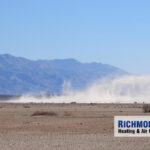
Annual Plume of Saharan Dust Puts Strain on Houstonians and HVACs

October 4, 2021 by Richmond’s Air

Saharan dust plume Texas

Did you hear about the plume of dust from the Saharan desert that traveled 5,000 miles to Central Texas back in July of 2021?

The annual Sahara dust plume is a natural phenomenon that takes place in the summer. This cloud, also known as the “Saharan atmospheric layer,” can travel hundreds of kilometers and affect air quality, visibility and even storm formation.

According to the National Oceanic and Atmospheric Administration (NOAA), this phenomenon isn’t unusual. In fact, June through August is the peak time for this type of dust plume to arrive in Texas each year.

How does the Saharan dust plume travel?

The Sahara Desert can reach temperatures above 100 degrees Fahrenheit. This hot, dry air generates a rapidly rising motion in the atmosphere over the desert, causing dust and sand to drift upward as the wind blows. This dust is then transported by the trade winds as they blow across the Atlantic Ocean from Africa.

How big is the Saharan dust plume?

At times, the Sahara dust plume airmass can reach heights of 60,000 feet. This aids in the over 3,000-mile journey over the Atlantic basin to North America.

What happens when the dust reaches the United States?

As dust spreads across the U.S., it creates an unfavorable environment for hurricanes. The dust absorbs the moisture in the atmosphere, depriving hurricanes of the necessary conditions for formation. 

Furthermore, the dust makes the midday skies appear hazy or milky. The colors of the dawn and sunset may change if the dust plume is thick enough. This can cause the sky to turn red and orange.

How much Saharan dust is transported?

Each year, roughly 180 million tons of Saharan dust are transported over the Atlantic. The dust combines to form the majority of a single cloud.

What states in the U.S. are typically affected by the Saharan dust plume?

Ordinarily, trade winds move dust from the Sahara across the Atlantic Ocean to the Gulf of Mexico in the spring, reaching states including:

  • Alabama
  • Florida
  • Louisiana
  • Mississippi
  • Tennessee
  • Texas

This phenomenon also affects some areas of Central America and Mexico.

How long does the Saharan dust plume last each year?

In the U.S., activity generally increases in mid-June, peaks between late June and mid-August, and then rapidly drops after that.

Does the Saharan dust plume have an odor?

Saharan dust is primarily made up of fine sand particles and other minerals that don’t necessarily have a distinct smell. However, if the dust mixes with pollutants as it travels, it can potentially have an odor. Additionally, Saharan dust can sometimes carry microorganisms, such as bacteria or fungi, which may produce a musty or earthy smell when it becomes airborne.

Benefits of the Saharan dust plume

Plumes of Saharan dust can help keep hurricanes from forming since the dust brings dry air, and hurricanes need moist air to develop. 

Additionally, the dust plume transports nutrients such as phosphorus and iron that nourishes plankton and other organisms that inhabit both the Atlantic Ocean and the Gulf of Mexico. This keeps our waters healthy and provides food for the marine life living there, which, in turn, provides us with food.

Furthermore, the presence of dust particles in the air helps cool the earth. Dust particles reflect sunlight, lowering the amount of solar radiation reaching the earth’s surface. Its cooling effect is useful in places prone to heat waves.

Negative impact of the Saharan dust plume

But there are indeed negative aspects to having a large plume of dust travel through your area—namely that it worsens the air quality.

Health effects

According to the American Lung Association, exposure to dust clouds might cause the following health risks:

  • Respiratory difficulties. Dust particles can irritate the lungs, resulting in coughing, wheezing and shortness of breath. Exposure to dust clouds can also trigger symptoms and can aggravate asthma or chronic obstructive pulmonary disease (COPD).
  • COVID-19 complications. Exposure to dust clouds can also further raise the risk of COVID-19 complications because the dust particles can make it harder for someone with already compromised lungs to breathe.
  • Allergic reactions. Some people are allergic to these and other dust particles, which trigger sneezing, a runny nose and itchy eyes.
  • Cardiovascular complications. According to a recent study, when individuals breathe in these dust particles, the dust may be able to enter their coronary arteries (the blood vessels that lead to the heart) and exacerbate symptoms in individuals with pre-existing heart failure. 

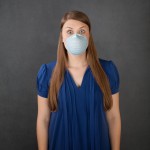
Unfortunately, since Saharan dust isn’t an allergen, you won’t find relief in OTC allergy medication, nor should you experience classic allergy symptoms. Instead, you could experience itchy eyes and/or a sore throat. When exposed to the Sahara dust plume, it’s necessary to take precautions like staying indoors, using air purifiers and wearing a mask when outdoors.

Effects on your HVAC system

This plume of dust doesn’t just negatively affect people. Your home’s HVAC system can also be impacted.

Saharan dust particles can accumulate on your HVAC’s condenser coils, which causes both the condenser and condenser fan to run much longer than needed. Just like other moving parts, extra strain can lead to premature equipment malfunctioning or failure. Broken condensers and condenser fans can be expensive and can even result in the whole system needing to be replaced.

How to protect your HVAC system from the Saharan dust plume

To protect your HVAC system from dust buildup, you should have your coils cleaned annually. You should also change your filters more often when Saharan dust is most prevalent (typically in the summer).

If your HVAC system isn’t working efficiently or its filter is too dirty, you may experience poor indoor air quality. For those who can’t spend extended periods of time outdoors due to the accumulation of dust, having poor air quality inside your home won’t make things any better.

Contact the HVAC experts at Richmond’s Air

If you haven’t had your HVAC system serviced in a while, perhaps now is the time to finally have an experienced technician at Richmond’s Air make sure your unit is clean and in proper working order—before the next dust cloud rolls in.

Contact us to schedule your AC tune-up.

Should You Cover an Outdoor Air Conditioning Unit in the Winter?

Do I Need To Cover My AC in the Winter?

AC covers often create more problems than they solve. Our Houston HVAC experts explain the dangers and give smart tips to prep your AC for colder temps.

Learn more

Filed Under: Indoor Air Quality Tagged With: air filters, air purifiers

Cigarette Smoke and Its Impact on Your HVAC System’s Health
January 22, 2019 by Richmond’s Air

By now everyone is familiar with the concept of secondhand smoke and the dangers that it presents.

What many people may not realize is that thirdhand cigarette smoke that can be harmful as well.

Thirdhand smoke is the particles that linger from cigarette smoke. These particles can remain on surfaces for years. What’s more, there’s evidence that these particles can be sucked into your home’s HVAC (heating, ventilation, air conditioning) unit and then spread around your home.

Studies are just beginning on the effects of thirdhand smoke. However, the information already gathered over the last decade shows that thirdhand smoke does contain toxic and/or cancer-causing chemicals.

HVAC units come into play by moving these particles around a room or home. This means that any designated outdoor smoking area that is close enough to a building could let in smoke particles that can then be sucked in by the HVAC unit and then circulated around the building.

Eliminating thirdhand smoke

Unsurprisingly, the easiest way to avoid thirdhand smoke is to not smoke, but this is easier said than done for many long-term smokers. The next best solution is to smoke as far away from doors and windows as you can outside.

If going outside to smoke isn’t an option for you, there are still some things you can do to help keep your home and HVAC unit cleaner.

Frequent filter changes

Air filters are the first line of defense against the particles flying around your home. They’re good at trapping things like contaminants. Once your air filter has filled, it will let particles slip through.

If you’re diligent about changing your filters, it should go a long way to making your home’s indoor air quality cleaner and healthier.

Use air sanitizers

There are two main types of air sanitizers. Some work to chemically eat odors in a space, while others that clean naturally such as baking soda. Consider buying some for your home if you’re concerned about thirdhand smoke.

Dust your surfaces

Periodically dusting your home’s surfaces can eliminate some of the particles that would otherwise be picked up and circulated around your home. While you’re at it, make sure to vacuum, too. These particles will also accumulate in your carpeting.

Clean your ducts

After all this cleaning, you should also consider cleaning your HVAC ducts. This is also important if you’ve recently quit smoking because your ducts will still have contaminants and/or residue in them.

If you require making sure your home’s HVAC system is clean and efficient, don’t hesitate to contact us. Richmond’s Air offers the best heating and AC repair service in Houston, Texas and beyond.

Filed Under: Indoor Air Quality Tagged With: air filters, air purifiers

Humidifier vs. Dehumidifier: Bronchitis

September 4, 2017 by Richmond’s Air

The humidity level in your home is very important for maintaining your overall health. Too much humidity can increase mold growth, while too little can cause dry skin or respiratory problems.

Another health issue that can be complicated by improper humidity levels in your home is bronchitis, a condition where the bronchial tubes become swollen and infected. This makes natural air flow much more difficult.

Luckily, adjusting the humidity levels in your home can help relieve some of the symptoms associated with this dreaded illness.

What is Bronchitis?

Bronchitis occurs when the mucous membranes and lining of your bronchial tubes becomes inflamed. The bronchial tubes are responsible for carrying air to your lungs. Bronchitis can cause individuals to cough up a thickened, discolored mucus and often starts with a cold or flu.

Acute bronchitis is a fairly common occurrence; however, chronic bronchitis can occur in some individuals where the bronchial tube lining is constantly irritated. This can be caused by smoking.

Should I Use a Humidifier to Prevent Bronchitis?

A humidifier works by releasing constant moisture into the air, helping maintain a healthy level of humidity in your home. Slightly moist air can help soothe your bronchial tubes and release the buildup of discolored mucous. This can help soothe symptoms until the virus runs its course.

Humidifiers can also be used to combat common cold, allergy, and nasal congestion symptoms.

Have a question about your indoor air quality? Contact Richmond’s Air, a top HVAC company offering repair, maintenance and installation services to the greater Houston area – including Katy, Texas.

Filed Under: Indoor Air Quality Tagged With: air purifiers, dehumidifier, humidifier, indoor air quality

Humidifier vs. Dehumidifier: Which Can Ease Your Asthma Symptoms?

August 3, 2017 by Richmond’s Air

If you’re one of the millions of Americans who suffer from asthma, you may have considered a humidifier or dehumidifier to help relieve some of those debilitating, and frankly annoying, symptoms.

Asthma symptoms can be triggered by humidity that is too high or too low. Depending on the air quality in your home, a dehumidifier or humidifier can help stabilize your air’s humidity and therefore improve your allergy symptoms.

When You Need a Humidifier

Asthma symptom flare-ups can occur due to dry air. Dry air irritates the air passages and nerves in your lungs, leading to an inflammation that can cause the airway restrictions associated with asthma.

Humidifiers add a level of moisture into the air until humidity reaches a healthy level. Breathing moist air can help soothe airways and lessen the chance of an asthma attack.

The humidity level in your home should average around 40-50%. If your home’s levels are low, a humidifier may be needed.

When You Need a Dehumidifier

Moisture in the air helps asthma sufferers breathe easier; however, too much humidity (above 50%) can also be harmful for your health. This is where a dehumidifier comes in.

High humidity levels create an environment that’s ideal for mold, and mold is a high trigger for asthma attacks. A dehumidifier works to absorb the excess moisture in your home’s air and reduce the amount of surfaces that can harbor mold growth.

Overall, controlling your home’s humidity levels is a  great way to prevent asthma flare-ups. Continue reading to learn more about other health benefits of humidifiers and dehumidifiers.

Filed Under: Indoor Air Quality Tagged With: air filters, air purifiers, dehumidifier, humidifier, indoor air quality

Spring Allergies & Your AC: Tips for Cleaner Indoor Air

June 19, 2017 by Richmond’s Air

spring allergy tips

Spring has arrived, bringing blooming flowers and warmer days, and for many, it also marks the beginning of allergy season. What many people do not know is that their central air conditioning can actually aggravate their allergies.

Here’s why: Typically, air conditioning units operate in closed environments and recycle the air to keep a home cool and comfortable. This recirculation of air can also recirculate pollen, dust, and other air contaminants, which creates a tough environment for people who suffer from allergies.

Some of the most common contaminants found in indoor air include:

  • Fibers from synthetic carpets and furniture fabrics
  • Pet dander and dust mites
  • Pollen
  • Radon gas
  • Formaldehyde and other chemicals used in building materials
  • Volatile compounds found in insecticides, pesticides, cleaning, and personal care products
  • Irritants from smoking and wood-burning fireplaces
  • Gasses from cooking appliances and water heaters

Luckily, there are many ways to reduce the allergen content in your home.

Tips for reducing home allergens

Below are our 7 best tips for reducing allergens inside your home:

Choose the right air filter and change it regularly

Air filters are designed to catch airborne contaminants as the AC system pulls indoor air back into the system to be cooled and recirculated. If the filter is dirty, it will continue to recirculate dirty air.

A good air filter is your main defense against poor indoor air quality. All air filters are assigned a minimum efficiency reporting value, also known as a MERV rating. This rating indicates the filter’s ability to remove various size particles from the air.

We recommend that allergy sufferers look for a filter with a MERV rating of at least 8. These filters will collect microscopic particles as small as three microns, which will go a long way toward reducing indoor allergens.

Electrostatic filters are also good choices for allergy sufferers. Electrostatic filters attract airborne contaminants using an electric charge. The filters can be cleaned using regular tap water and reused.

High-efficiency particulate air filters, also known as HEPA filters, are another option. These filters are made of thin glass fibers and can effectively remove up to 99.97 percent of contaminants and allergens.

Regardless of which filter you choose, be sure to check it monthly and replace it every 3 months (or sooner) if it looks dirty.

Close your windows

It may be hard on those nice sunny days, but keeping your windows closed reduces the chance that pollen and other allergens can make their way into your home and furniture.

Try to minimize fan usage as well. Fans stir up dirt and allergens that have already settled and send them back into the air, allowing the air conditioner to recirculate them.

How To Test Your Home’s Indoor Air Quality

Why testing the air quality in your house is important, and how to do it yourself.

Learn more

Keep your house and household items clean

A clean home is an important factor in air cleanliness. It’s especially crucial to dust regularly and wash things like bedding and towels that can harbor allergens. Pets can also be a source of allergens in the home, so make sure to bathe your household pets frequently.

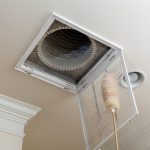
Even people who are conscientious about dusting once a week tend to forget to dust their air return vents and registers. If these areas are dusty, your entire house will be dusty since the air circulated by your HVAC system passes through these vents and registers.

The vents and registers should be the first things you dust in each room. It is best to use a damp cloth to keep from kicking up the particles and worsening your allergy symptoms.

Be on the lookout for mold

Mold loves a moist, humid environment and can aggravate symptoms of allergies, asthma, and other respiratory conditions. In extreme cases, it can lead to serious illness or even death.

Keeping your home’s humidity level between 30 and 50% not only makes your house feel more comfortable, but it also inhibits the growth of mold and dust mites. The most convenient way to do this is with a whole-house humidifier that operates using your existing ductwork to keep your home at a constant humidity level.

Even with these precautions, you should still inspect the damp or humid portions of your HVAC system every couple of weeks for signs of mold. These areas include the drip pan and drain, air handler, evaporator coils, and ducts.

While you may be able to handle small mold spots on your own, you should leave significant problems to a professional mold remediation service.

Check your outdoor unit

Check to make sure the AC unit on the outside of your home is clean. Debris such as leaves, dirt, dust, and other particles can accumulate around your outdoor unit, and if not removed, this debris can be drawn into the system.

Once inside, these particles can circulate through your home, contributing to poor indoor air quality and triggering allergy symptoms, so preventing them from entering in the first place is always the best option.

Consider an air purifier

While they can be a bit pricey, air purifiers are often worth the cost if other methods of controlling allergens in your home aren’t enough. These devices are designed to remove airborne particles, such as dust, pollen, pet dander, and even some bacteria, providing a cleaner and healthier indoor environment.

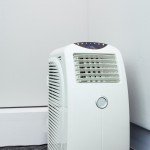
There are different types of air purifiers to suit your needs, from single-room models that target specific areas, like bedrooms or living rooms, to whole-house air purifiers that integrate with your HVAC unit to purify the air throughout your entire home.

Many purifiers use HEPA filters, which are highly effective at trapping tiny particles that can trigger allergies. By continuously filtering the air, an air purifier can significantly reduce the allergen load in your home, making it a valuable addition, especially for those with respiratory sensitivities.

Have your air ducts professionally cleaned

A professional cleaning job can go a long way in the spring. HVAC (heating, ventilation, and air conditioning) technicians will be able to clean air ducts, inspect the unit for leaks, and eliminate any existing allergens so your newly circulated air will be much healthier.

If you’re suffering from seasonal allergies and would like to make sure your air conditioning unit isn’t contributing to the problem, the certified Houston HVAC technicians at Richmond’s Air are ready to help.

We offer both repair and maintenance services to fit your needs. Contact us today to schedule an appointment.

Filed Under: Indoor Air Quality Tagged With: air conditioning systems, air filters, air purifiers, indoor air quality

  • 1
  • 2
  • Next Page »

Contact the Best Heating & Cooling Pros In the Houston Area

Request Service Now

It’s AC Maintenance Time in Houston!

Find out what problems you prevent when you keep up with preventative AC maintenance.

BBB Accredited

BBB Accredited Business

Categories

  • AC Repair
  • Community
  • Energy Savings
  • Indoor Air Quality
  • Indoor Comfort Systems
  • Industry News
  • Preventative Maintenance
  • Upgrading your System

Central Heating & A/C Are Meant to Keep You Comfortable Regardless of Current Weather Conditions

Heating Services – AC Services – Installation – Maintenance - Tune Up - Repair

Don't sweat or shiver – keep your A/C and furnace running at peak performance with regularly scheduled maintenance service. But if your system is starting to lose its cool and the repair bill seems high, HVAC specialists at Richmond's Air also provide exceptional A/C and furnace installation for homes in metro-Houston.

Don't delay – your family's comfort depends on a smooth functioning A/C and heating furnace. Schedule a maintenance or repair appointment by calling (713) 732-6426 between the hours of 7am-7pm Monday through Friday and 7am-5pm Saturday!

If you don't get an answer, don't sweat it! Just leave us a quick message with your name and phone number - an experienced central air conditioning/heating maintenance, repair and installation specialist will call you right back!!

Reliable Heating & Cooling Contractors
Central Heat & Air – Furnace Repair –
AC Repair

Facebook Twitter Blog Contact
Richmond's Air $$$ Air Conditioning Service and Maintenance
Richmond's Air:
5 Rollingwood Dr  Houston, TX 77080   
(713) 999-4735
Hours: Monday to Friday: 7am – 7pm    Saturday: 7am – 5pm    Sunday: Closed

Houston HVAC Services From a Local Company You Can Trust. Serving Houston, TX and surrounding areas: Katy, Bellaire, Spring, Cypress.
Our neighboring ZIP codes: 77024, 77056, 77005, 77019, 77030


Find Us on Angie's List

Richmond's Air BBB Business Review TACCA Membership

Copyright © 2026 · Web Design & Marketing by SEO Advantage, Inc.