Richmonds Air Houston

License TACLA32064E

Professional AC and Heating Services

Houston's BEST Heating & AC Repair since 2002
5 star ratings Houston AC Repair company Read reviews

Request Service
(713) 732-6426
M-F 7am - 7pm | Sat 7am - 5pm
  • Home
  • About Us
  • Service Areas
    • Houston
    • Bellaire
    • Katy
    • View All
  • Services
    • Air Conditioning
      • AC Installation
      • Whole House Humidifier Installation
    • Heating
      • Heating Repair
  • Learn
  • Blog
  • Reviews
  • Contact Us
Mention these WEB COUPONS when contacting
us to get discount. One offer per customer.
scissors $25 off any repair $100 off new equipment FREE service call with repair
Houston HVAC (Home) / heating systems

Even the Sunbelt Gets Cold, Sometimes: Coldest Temps in Houston History

March 1, 2023 by Richmond’s Air

what is the coldest temperature ever recorded in Houston Texas

Houston is sometimes referred to as the capital of the Sunbelt, which means that most of the year, the weather remains warm. But Texas weather is also notorious for being unpredictable, and recently, residents have been getting hit by frigid cold snaps.

Cold snaps are rapid downward changes in the temperature, usually within a 24-hour period. They’re most commonly seen throughout the United States and Texas in winter but can occur any time of year. Cold snaps are linked to cold fronts—the front edge of a large mass of low-pressure air moving across a region.

These “cold pockets” tend to bring much colder air down from Canada and other parts of North America. They often cause shallow temperatures as they move into a region and weaken the usual large warming gradient between the North and South Pole regions.

Cold spans are becoming more frequent and severe in Texas. In the past 10 years, a fourfold increase in cold snaps of 40 degrees or lower during the winter has caused widespread damage to homes, infrastructure and crops.

There is no such thing as a simple freeze anymore, with the repercussions of cold snaps often lasting for weeks or months, wreaking havoc on homeowners and their residential HVAC systems. The last thing you want is your heater to die on you when you need it most. For this reason, it’s important that you keep your furnace in proper working order.

Since heaters in Texas are used infrequently, Houston homeowners can experience difficulties when their furnace or heating system is actually needed.

Regular furnace maintenance and ensuring that your HVAC unit gets a professional tune-up before the cold winter months kick in will ensure that your family remains warm all year long, even if the temperatures plummet.

A Winter Furnace Checklist for Houston Homeowners

A winter furnace checklist for Houston homeowners

Brrrr…don’t miss this 10-point checklist (including both do-it-yourself and professional tasks) to ensure that your home furnace is winter weather ready.

Learn more

Tracking Houston temperatures

Houston has been keeping a record of its temperatures since 1921. During the first decade of record-keeping, Houston recorded its historical lowest low. This occurred on January 18, 1930, and the temperature was 5 degrees Fahrenheit.

In the last decade, Houston’s coldest days of the year have been relatively warm—the coldest day in 2018 was 19 degrees Fahrenheit. The next coldest day occurred in 2017, when the low temperature was 23 degrees Fahrenheit.

Historic Texas cold snaps

In 1951, Houston saw a historic ice storm. On January 29, the temperature fell below freezing and didn’t rise above freezing again until February 2, 1951. During this 123-hour period, the average temperature hovered below freezing at 28 degrees Fahrenheit.

Along with the freezing temperatures came 1.42 inches of precipitation. This led to one of the most damaging ice storms Houston had ever seen, causing devastating agricultural and livestock losses.

In 1983 and 1989, December was the coldest and second coldest months on record for the Houston area, with 1989 coming in as the coldest.

On December 22, 1989, Houston saw 1.7 inches of snow. This was the last time Houston saw measurable snowfall. According to the National Oceanic and Atmospheric Administration (NOAA), it’s estimated that the 1989 cold snap cost Texas $1 billion in crop losses and other damages (adjusted for inflation). In fact, much of the citrus crop was lost due to freezing temperatures.

In 1983, Houston had below-freezing temperatures for nearly 5 consecutive days. It’s estimated that the 1983 cold snap caused nearly $250 million in damages (adjusted for inflation). Across Texas, 13 people died during the cold snap. North Texas was hit the hardest, with 6 people dying due to the cold and $1.5 million dollars worth of city pipes damaged.

Winter Storm Uri in 2021

Of course, you don’t have to go that far back in time to find a historic winter storm of epic proportions in the Houston area. Although many residents may have initially viewed Winter Storm Uri as a rare opportunity to experience significant snow accumulation in Texas, from February 13-17, 2021, Uri wreaked havoc on Texas’s infrastructure and resulted in a shocking death toll across the South.

Temperatures in Houston fell to 13 degrees Fahrenheit—the city’s coldest recorded temperature since the 1989 cold snap. Rolling blackouts ensued, along with water line breaks.

It’s been widely reported that over two-thirds of Texans experienced power outages during the storm, and almost half of the residents had their water services disrupted. In fact, approximately 10 million Texans received boil-water notices after the storm, many of which lasted for weeks. Unfortunately, low-income and minority communities, who lacked resources to find alternative housing and repair damages, bore the brunt of the disaster’s effects.

The storm ultimately led to over 200 deaths and cost the state somewhere between $80 to $130 billion in storm-related damages.

What’s the impact of cold snaps on Texas?

Texas has seen a severe increase in cold snaps in recent years. Many areas around Texas are now seeing cold snaps that last between 2 and 3 weeks at a time, and this trend is expected to continue over the next decade.

Cold snaps have the potential to be devastating to people, animals and crops. Extreme drops in temperature pose an especially great risk in Texas because power plants and fuel supplies can freeze during a time when the demand for energy to heat homes has soared to unprecedented levels. Additionally, Texas water systems, which rely on energy to pump and treat water, can also be severely affected.

How can Texans prepare for cold snaps?

Cold snaps appear to be here to stay, so it’s crucial that Texans know how to protect themselves and their homes from these storms.

How to protect your home

There are lots of small things you can do to prepare your home for freezing weather that ultimately make a huge difference.

For example, to prevent your pipes from freezing, allow your faucets to drip slightly. If your home is older or not well insulated, you may even want to leave a faucet dripping overnight to prevent any frozen pipes. Especially take caution when temperatures are below freezing and windy, which can speed the freezing process.

Here are some other tips that can help you get ahead of the storm and prepare your home for cold weather:

  • Detach any outdoor hoses from your home to prevent them from freezing.
  • Seal out cold air by replacing damaged weather stripping around windows, doors, plumbing, and electrical and gas lines.
  • Seal all cracks, holes, and other openings in your exterior walls with caulk.
  • Wrap vulnerable pipes with pipe insulation.
  • Clean your gutters to prevent ice from forming on your roof.
  • If your garage is attached to your home, keep it closed if possible.
  • Know how to access your water shut-off valve in an emergency.
  • Maintain the temperature in your home, even if you’ll be away for a period of time to prevent your pipes from freezing.
  • Keep an extra set of batteries for your thermostat handy at all times.
  • Keep your bathroom and kitchen cabinet doors open to allow warm air to circulate around the pipes.

Perhaps most importantly, make sure you’ve turned on your heat. It might sound obvious with the cool nights we’ve been having, but if, for some reason, you haven’t turned on your furnace or heat pump yet this season, go ahead and do that now. The worst thing is to turn on the heat when you’re already cold, only to find out that it’s only delivering cold air.

In the Houston area, heat systems that aren’t used too often can get a little “rusty” over time. If you have concerns about your heat pump or furnace, your best bet is to schedule preventative maintenance on your system before cold weather strikes.

How to protect yourself and your family

In addition to getting your home ready for cold weather, you can also take these additional steps to protect your family:

  • Stock up on basic necessities like food, bottled water, toilet paper and emergency supplies, including battery-operated radios and flashlights.
  • If your heat goes out, keep warm by closing the doors to any rooms you don’t use. You should also dress in layers, wear a hat and gloves, and cover yourself in extra blankets to stay warm.
  • If your pipes freeze, try using a hair dryer to thaw them. Never attempt to use a blow torch or anything with an open flame.
  • Protect your pets and livestock by moving them indoors or providing suitable shelter when possible. If you’re not accustomed to the chilly weather, neither is your dog or cat, so make sure everyone has a cozy spot for cold nights. If you’re worried about the mess, visit our Heat Beat to learn about ways to keep indoor air quality clean.
  • Use space heaters with caution. Any supplemental heat you use in your home should be approved for indoor use. Always turn off these space heaters when you’re not in the room or in bed. Learn more about portable heater safety.
  • Never bring outdoor heating devices, such as barbecues or other fuel-burning devices, indoors due to the risk of carbon monoxide poisoning.

Why Your Garage Is So Cold & What You Can Do About It

Tired of your freezing garage? Our Houston HVAC experts explain the safest and most efficient options to warm up your garage this winter.

Learn more

How communities can help protect their residents

Communities that experience cold snaps need to have a plan in place to help residents deal with power outages and water shut-offs, including:

  • Establishing community centers or shelters where residents can go to stay warm and have access to food and water.
  • Providing regular updates on the status of the power outage or water shut-off through social media and local news outlets.
  • Coordinating with local businesses to provide essential services, such as grocery stores, pharmacies, and gas stations, with backup power sources.
  • Mobilizing volunteers to go door-to-door and check on vulnerable residents, such as the elderly or those with disabilities, and provide them with necessary supplies, such as food, water and blankets.
  • Coordinating with local emergency responders, such as police and firefighters, to ensure they have access to the resources they need to respond to emergencies.
  • Establishing a hotline or other communication channels where residents can report emergencies or request assistance.
  • Offering assistance with emergency repairs, such as fixing burst pipes or generators for those who need it.

Where to find temporary warming centers in the Greater Houston area

Local News KHOU 11

The importance of furnace and HVAC maintenance

While we certainly hope the devastation seen with Winter Storm Uri doesn’t play out in the future, the truth is that you can never predict when an ice storm like Uri will come through these parts again.

As a homeowner, it’s critical to get regular maintenance on your furnace or HVAC system to ensure it’s running efficiently. But if something goes wrong and you lose heat during a cold snap, don’t hesitate to call a professional.

If you’re in the Houston area, contact the experts at Richmond’s Air today. We provide maintenance services to ensure your unit is ready for the cold weather as well as emergency services for when the unexpected occurs.

Explore more:

Brownouts, Blackouts, Power Surges: Impacts on Houston AC Systems

Filed Under: Community Tagged With: furnaces, heating systems

What’s That Sound? Why Your Heater is Making a Racket
April 18, 2017 by Richmond’s Air

Hearing a loud or unusual noise coming from your heater is worrisome to say the least.

These noises can be caused by a variety of problems. Some issues you may be able to resolve yourself, while others may require a licensed Houston HVAC repair expert.

Whistling

A whistling furnace could be the result of issues with your ducts. Your furnace may need more airflow than your ducts can provide, in which case the answer may be installing larger ducts.

Before you do that, make sure there aren’t any gaps in your ductwork. Gaps in the ducts, especially at the point where the duct joins the furnace, can also cause the furnace to whistle. If the whistling is a recent development, it may even be due to a clogged filter. You can test this theory by removing the filter to see if the whistling stops.

Rattling

This could be caused by loose ducts. You can try reinforcing the ducts with additional screws or duct tape. Adding cork or rubber pads underneath the furnace may also help alleviate the problem. Simply use a pry bar to lift the unit, allowing you to slide the pad underneath.

How long since your heating unit was last checked?
Don’t get stuck out in the cold!

At Richmond’s Air, we’ve been doing heating and furnace repairs right since 2002. Our work is 100% guaranteed by a 1-year parts and labor warranty on repairs.

Houston Heating & Repair Service

Bouncing

A bouncing noise coming from the motor may indicate that the bearings are worn and need to be replaced. Your best solution for this problem is to call an HVAC professional.

Banging

A banging sound as your furnace turns on can be caused by a couple of different problems. If the sound appears to be coming from the ducts, they may simply be flexing in response to the change in pressure as the furnace turns on. Screwing an additional piece of metal into any weak spots in your ducts can solve this issue.

Banging may also indicate a gas-ignition problem that causes a small explosion as the furnace ignites. This is most likely the problem if you notice a change in the flame or if the furnace doors shake as the furnace starts up. This issue should also be addressed by a trained HVAC technician.

Squeaking

A squeaking sound as you walk near the furnace typically indicates that the ducts or metal panning may not have been secured properly. The solution usually involves reinforcing, rehanging or replacing the ducts and panning.

If you have any doubts about what is causing your furnace to make noise or if you aren’t versed in mechanical repairs, it’s best to err on the side of caution and contact a specialist. Houston HVAC technicians at Richmond’s Air stand ready to come to your aid at a moment’s notice. Contact us today for professional service.

Filed Under: Preventative Maintenance Tagged With: heat and air, heating systems, residential heating

How Winter Dryness is Affecting Your Indoor Air Quality

March 6, 2017 by Richmond’s Air

Since we’re smack dab in the middle of cold and flu season, it’s important to know how your home’s humidity can play a role in spreading sickness. During the winter months, the humidity in your home is generally very low because the warm air blowing from your furnace does not hold moisture as well as your A/C.

Ideally, you want to keep the humidity in your home between 40% and 60%. If the humidity level is below 30%, the air not only causes dry skin but it can also keep allergens and airborne pathogens from dying.

CleanAlert explains how viruses can travel through dry air:

In crystalline form, these infectious materials can spend several hours floating and recirculating through dry air (with relative humidity below 40 percent) and can travel a substantial distance depending on the air current. However, if the relative air humidity in the space is within optimal range of 40 to 60 percent, the salt concentration decreases to a level where most of the viruses cannot survive.

How long since your heating unit was last checked?
Don’t get stuck out in the cold!

At Richmond’s Air, we’ve been doing heating and furnace repairs right since 2002. Our work is 100% guaranteed by a 1-year parts and labor warranty on repairs.

Houston Heating & Repair Service

In addition to keeping bacteria and viruses alive, low humidity dries out your nasal passages and respiratory system. When nasal passages don’t have the natural moisture that mucus provides, your immune response is very weak and unable to fight off cold and flu viruses.

If you’re not sure what the humidity level in your home is, you can buy a hygrometer and test individual rooms. The best way to increase the humidity levels is to have a whole-house humidifier professionally installed into your existing ductwork. Portable humidifiers are another option, but then you have to move them from room-to-room and keep up with daily maintenance.

Richmond’s Air serves the greater Houston area, including Bellaire, Katy and Spring. Contact us today to talk about the best solutions for your home’s indoor air quality.

Continue reading: Health Benefits of Humidifiers & Dehumidifiers

Filed Under: Indoor Air Quality Tagged With: air purifiers, heating systems, indoor air quality

Turning On Your Furnace: Where to Start
February 6, 2017 by Richmond’s Air

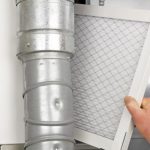
Your furnace has been sitting idle for several months, but now it’s frigid out and you’re ready to flip on the heat. You cross your fingers and wonder, “Will it work?”

It’s a good idea to take some simple steps before booting up your residential heater to make sure it doesn’t leave you stuck in the cold.

How long since your heating unit was last checked?
Don’t get stuck out in the cold!

At Richmond’s Air, we’ve been doing heating and furnace repairs right since 2002. Our work is 100% guaranteed by a 1-year parts and labor warranty on repairs.

Houston Heating & Repair Service

Here are six DIY maintenance checks to perform on your HVAC system this winter:

  1. Inspect the system. Walk around your home and attic, checking for:
    • Loose connections in your ductwork
    • Signs of residue build-up on your furnace
    • Problems with your chimney vent
    • Cracks or heavy wear on your blower belt
  2. Change air filters. Air filters should be changed out at least every 3 months, but it’s a good idea to put new ones in before you start up your furnace.
  3. Check registers and vents. Inspect all of your air registers and return vents to make sure there is no debris or other blockage obstructing air flow.
  4. Clean air ducts. Dust and debris can quickly build up in your ductwork, which can dramatically affect air flow throughout your house. Your air ducts should be cleaned regularly to avoid this and any contaminants from getting into your air. This particular task can be tricky, so don’t be afraid to call an expert for help.
  5. Vacuum accessible areas. Take the hose and brush on your vacuum and use it to gently clean any areas of your furnace that are easy to access. This will help eliminate some particles and contaminants from getting into your furnace and the circulating air.
  6. Consider purchasing a carbon monoxide detector. Carbon monoxide (CO) is not detectable with any of your senses, so the only way you can tell if the toxic gas is present in your home is to install a CO detector. Adding this feature will help ensure your home and family stays safe this winter.

When you turn on your furnace, don’t be surprised if there’s a burning smell for the first few minutes. This is common as your system may need to burn off some dust that’s collected over the summer, but the smell should stop pretty quickly.

If it doesn’t, it’s time to call an HVAC technician!

Taking the time to perform these small preventative measures each year can keep you from paying for costly repairs later. It’s also a good idea to have a tune-up on your HVAC system at the start of every winter so that an expert can look for any possible problems.

Further reading: What To Do If Your Home Heater Doesn’t Turn On

Filed Under: Indoor Comfort Systems Tagged With: air filters, DIY maintenance, heating systems, residential heating

Where Does Heat Escape from Your Home?

January 2, 2017 by Richmond’s Air

If you feel like the winter air making its way into your home and you’re having trouble getting the right heating temperature at night, it may be time to better insulate and weatherize your home or cold garage.

Believe it or not, up to 35% of the heat in your home can escape through walls, windows, doors, and other cracks and gaps. So, just by making small improvements, you can achieve the best home temperature for comfort, make your heating system more efficient, and decrease your energy bills.

How long since your heating unit was last checked?
Don’t get stuck out in the cold!

At Richmond’s Air, we’ve been doing heating and furnace repairs right since 2002. Our work is 100% guaranteed by a 1-year parts and labor warranty on repairs.

Houston Heating & Repair Service

Main culprits of heat loss

Here are the main places that heat escapes from your home:

  • Windows and doors – Gaps around windows and door can be a major source of heat loss, accounting for up to 20% of heat leakage. The best way to reduce this is to caulk around all of your windows and make sure the weather stripping around all of your doors is in good condition.
  • Attic holes and doors – There are several small, necessary holes in your attic for vents, air ducts, and pipes to run through your house. Unfortunately, these holes can cause a fair amount of heat to escape. Caulking or foam insulation spray helps to seal up these holes and minimizes heat loss.

If your attic door is inside your home rather than your garage, a lot of heat can escape through there as well. If you have this set up, it’s important to keep the back of the door well insulated and even install weather stripping around the opening.

  • Fireplaces – Even though you can’t beat a warm fire on a cold night, fireplaces are a major source of heat loss. If your damper is not sealed correctly, it can cause up to 14% of heat to escape through your chimney.
  • Floors – This may be a less obvious place because you generally think of heat rising rather than escaping through your floor, but if your floors aren’t well insulated, a substantial amount of heat can leak through.
Houston, what temperature do you turn your heater on when sleeping?

Houston, what’s your nighttime temperature?

In Houston, where temperatures can fluctuate dramatically, the question of when to turn on the heater for a comfortable night’s sleep sparks diverse opinions.

Learn more

The Washington Post reports that “the average home – even when well-insulated – contains cracks and gaps between building materials that can add up to a hole about 14 inches square.”

So even if you feel like your home is sealed and secure, you may be losing more heat than you think.

At Richmond’s Air, we want to provide our customers in the Houston, Bellaire, Katy and Spring areas with the most efficient HVAC system possible. Talk to one of our certified HVAC technicians today to evaluate how we can help you reduce the amount of heat and air escaping your home.

Filed Under: Energy Savings Tagged With: furnaces, heat and air, heating systems, residential heating

  • 1
  • 2
  • 3
  • Next Page »

Contact the Best Heating & Cooling Pros In the Houston Area

Request Service Now

It’s AC Maintenance Time in Houston!

Find out what problems you prevent when you keep up with preventative AC maintenance.

BBB Accredited

BBB Accredited Business

Categories

  • AC Repair
  • Community
  • Energy Savings
  • Indoor Air Quality
  • Indoor Comfort Systems
  • Industry News
  • Preventative Maintenance
  • Upgrading your System

Central Heating & A/C Are Meant to Keep You Comfortable Regardless of Current Weather Conditions

Heating Services – AC Services – Installation – Maintenance - Tune Up - Repair

Don't sweat or shiver – keep your A/C and furnace running at peak performance with regularly scheduled maintenance service. But if your system is starting to lose its cool and the repair bill seems high, HVAC specialists at Richmond's Air also provide exceptional A/C and furnace installation for homes in metro-Houston.

Don't delay – your family's comfort depends on a smooth functioning A/C and heating furnace. Schedule a maintenance or repair appointment by calling (713) 732-6426 between the hours of 7am-7pm Monday through Friday and 7am-5pm Saturday!

If you don't get an answer, don't sweat it! Just leave us a quick message with your name and phone number - an experienced central air conditioning/heating maintenance, repair and installation specialist will call you right back!!

Reliable Heating & Cooling Contractors
Central Heat & Air – Furnace Repair –
AC Repair

Facebook Twitter Blog Contact
Richmond's Air $$$ Air Conditioning Service and Maintenance
Richmond's Air:
5 Rollingwood Dr  Houston, TX 77080   
(713) 999-4735
Hours: Monday to Friday: 7am – 7pm    Saturday: 7am – 5pm    Sunday: Closed

Houston HVAC Services From a Local Company You Can Trust. Serving Houston, TX and surrounding areas: Katy, Bellaire, Spring, Cypress.
Our neighboring ZIP codes: 77024, 77056, 77005, 77019, 77030


Find Us on Angie's List

Richmond's Air BBB Business Review TACCA Membership

Copyright © 2026 · Web Design & Marketing by SEO Advantage, Inc.